DebiCheck
What you approve with your bank, and what to do if the request goes wrong.

DebiCheck is a debit order you confirm with your own bank. Approving it sets up repayments. It doesn’t pay out a loan or end a debt.
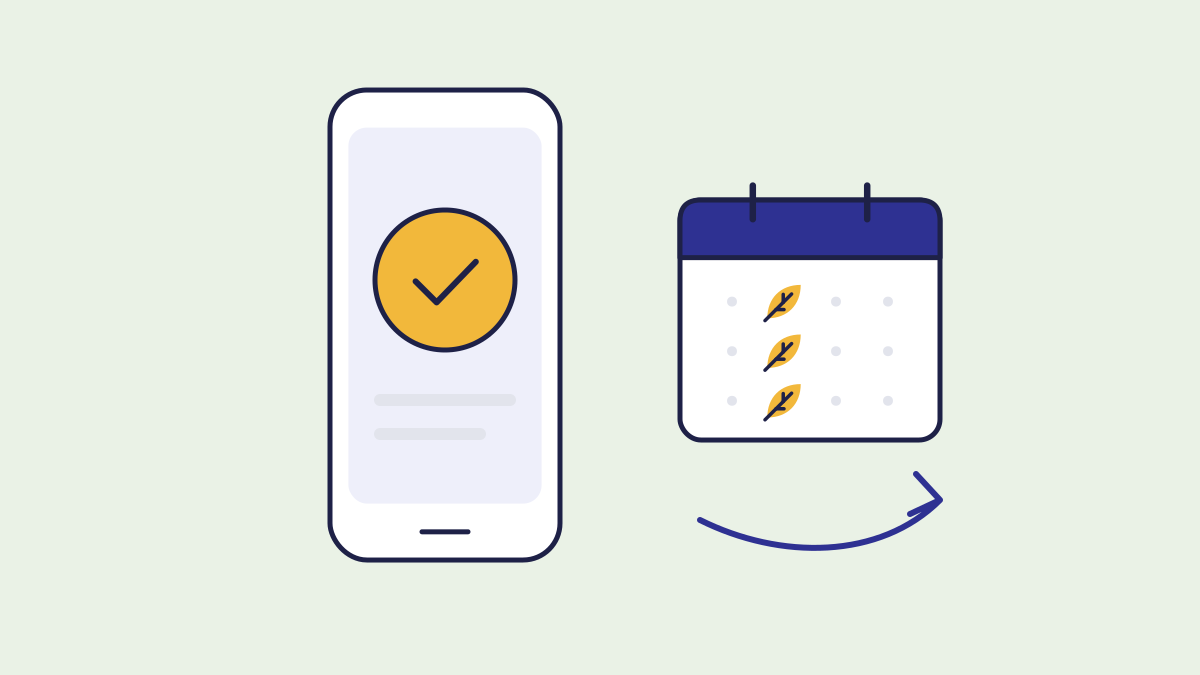
DebiCheck is a type of debit order that you confirm directly with your own bank, usually in your banking app, by USSD or by SMS. When you approve it, you agree that a named company may collect a set amount on set dates from your account. It makes collections more visible and harder to abuse. It doesn’t change what you owe.
With an older debit order, a company could start collecting once it had your signed form, and your bank never asked you. DebiCheck adds a step. After you agree to a loan, the lender sends the mandate details to your bank. Your bank then asks you to confirm them. Only an approved mandate can be used to collect.
Read the request carefully before you approve it. Banks lay it out differently, but these details should be there:
If any detail doesn’t match what you agreed, don’t approve it. Contact the lender through its official channel and ask for a corrected request.
The collection date matters more than most people expect. If a repayment is collected the day before your salary arrives, it fails, and a failed collection can cost you bank charges and a missed-payment note on your account. Ask for a date that falls on or just after your usual payday.
Tracking, where the mandate allows it, means the collection can be tried again over the next few days if the money isn’t there on the date. It can help when a salary is a day late, but it is not a substitute for choosing the right date.
If your payday changes, for example with a new job, tell the lender. Changing the date usually means a new or amended mandate, which your bank will ask you to approve again. Until it is approved, the old date still applies.
Confirming a mandate gives permission to collect repayments. It does not pay out a loan and it doesn’t mean a loan has been approved. The payout is a separate payment that the lender makes once your agreement is in place. If you are asked to approve a mandate before you have seen a written quote, ask why. If a request comes from a company you don’t recognise, reject it.
For how long a payout usually takes to arrive, see payout times.
DebiCheck is a way of paying, not the debt itself. Suspending or cancelling a mandate with your bank stops the collections, but you still owe the money under your agreement. Missed repayments can lead to the charges set out in the agreement and can be reported to credit bureaux.
If you need to change how or when you pay, talk to the lender first and agree another way to pay before you stop a mandate. How repayments work at RandLeaf.
What can be disputed, and how, depends on your bank’s rules. Generally a collection that matches a mandate you confirmed is treated differently from an old-style debit order you never confirmed. Ask your bank what applies to your situation. Don’t rely on anyone who promises an automatic refund.
For years the Payments Association of South Africa (PASA) managed the rules of the national payment system. During 2026 those functions are moving to the South African Reserve Bank and PayInc. Older articles may still send you to PASA. This change is between the banks and the regulators; it doesn’t change what you agreed with your lender. For a problem with a collection, your own bank remains the place to start.
RandLeaf collects repayments by DebiCheck. The request should match your agreement: the instalment amount, the monthly date and the number of repayments. The creditor name may show our legal entity, not yet published, rather than the brand name. If anything looks different, don’t approve it and contact us first. Our phone, email and support hours are not yet published.
Our DebiCheck help page covers what to do if an approval fails or a collection is missed.
In short
DebiCheck is a debit order you confirm with your own bank. Check the creditor, amount, date and maximum against your agreement before you approve. Approving isn’t a payout, and stopping a mandate doesn’t end the debt.
What you approve with your bank, and what to do if the request goes wrong.
DebiCheck collections, your repayment date, paying early and what to do if a debit fails.
Approved, sent and received are different steps. What can delay a payout.